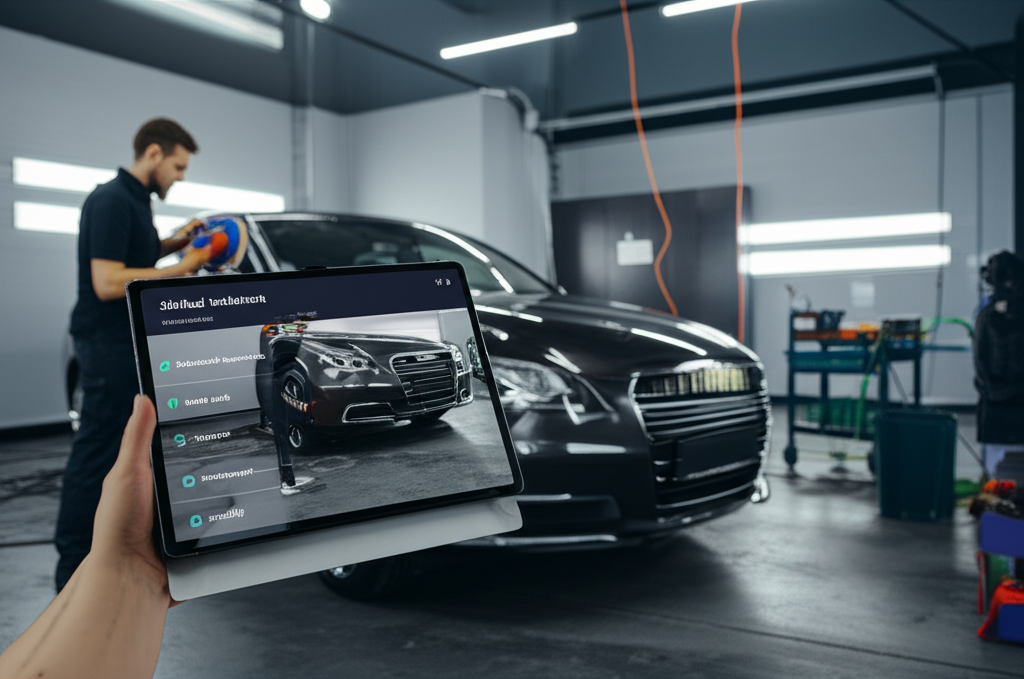
Recon Workflow Best Practices: Speed & Cost Control
Optimize vehicle reconditioning: reduce cycle time, control costs, track mechanical/detailing/photo stages. Recon workflow checklist for dealers.
Reconditioning speed is the hidden profit lever most dealers ignore. Every day a vehicle sits in recon is a day it's NOT selling—costing you interest, insurance, and opportunity cost from tying up capital. Dealers with 14-day recon cycles lose 2 weeks of selling time per vehicle (7% of annual selling days). Dealers with 5-day recon get vehicles retail-ready 9 days faster, increasing annual turnover from 10 to 12+ turns.
This guide provides a structured recon workflow with clear stages, timelines, and accountability checkpoints. You'll learn recon budgeting formulas, repair prioritization strategies, detail standards, and how to identify bottlenecks slowing your recon process.
Recon Workflow Stages
A standardized recon workflow ensures every vehicle moves through inspection → approval → repair → detail → photos → pricing in the shortest time possible, with clear ownership at each stage.
1. Intake & Initial Inspection (Day 1)
| Task | Owner | Duration |
|---|---|---|
| VIN Verification | Inventory Manager | 5 minutes |
| Initial Walk-Around | Service Manager / Technician | 10 minutes |
| Mechanical Inspection (Full) | Lead Technician | 45-60 minutes |
| Inspection Report Entry in DMS | Service Manager | 10 minutes |
| Recon Estimate Creation | Service Manager | 15 minutes |
Inspection Checklist (Minimum):
- Exterior: Paint condition (chips, scratches, dents), glass (cracks, chips), lights (all functional), tires (tread depth, uneven wear), wheels (curb rash, damage)
- Interior: Seats (tears, stains, wear), carpet/floor mats (stains, holes), dashboard (cracks, warning lights), HVAC (A/C blows cold, heat works), odors (smoke, mold, pets)
- Mechanical: Engine (oil leaks, unusual noises), transmission (smooth shifting, fluid condition), brakes (pad thickness, rotor condition), suspension (worn bushings, shocks), fluids (all levels checked + condition)
- Safety Systems: Airbag warning lights (none illuminated), seatbelts (all functional), ABS (no warning lights), traction control (functional)
- Electronics: Touchscreen (responsive), backup camera (works), power windows/locks (all functional), radio/Bluetooth (connects)
2. Recon Approval (Day 1-2)
After inspection, management reviews the estimate and decides: retail with repairs, retail AS-IS (if minimal issues), or wholesale (if repair cost too high).
| Scenario | Decision Rule | Action |
|---|---|---|
| Recon Cost ≤ 10% of Vehicle Value | Approve all repairs, proceed to retail | Authorize recon, order parts immediately |
| Recon Cost 10-15% of Value | Review ROI: Will repairs add more value than cost? | Approve essential repairs only, skip cosmetic unless high ROI |
| Recon Cost 15-20% of Value | Consider wholesale unless rare/high-demand vehicle | Get wholesale bids, compare to retail potential after recon |
| Recon Cost > 20% of Value | Wholesale or auction (retail unlikely profitable) | Send to auction or accept wholesale offer |
Example: $12,000 trade-in needs $1,800 in repairs (15% of value). Retail value after recon: $15,500. Gross potential: $15,500 - $12,000 - $1,800 = $1,700. Decision: Approve recon (acceptable gross). If recon was $2,800 (23%), wholesale instead.
3. Parts Ordering (Day 2)
Speed is critical. Waiting 5 days for parts turns a 7-day recon into a 12-day recon. Use these strategies to minimize parts delay:
- Stock Common Parts: Maintain inventory of high-use items (brake pads, rotors, filters, wipers, bulbs, batteries). Eliminates 1-2 day ordering delay for 40-50% of repairs.
- Same-Day Parts Delivery: Establish accounts with local auto parts stores offering same-day or next-day delivery (NAPA, O'Reilly, AutoZone). Pay slight premium for speed—worth it to save recon time.
- Overnight Specialty Parts: For dealer-only parts (OEM sensors, modules), use overnight shipping if available. $30 shipping cost = one day faster to retail.
- Alternative Sourcing: If OEM part has 5-7 day lead time, check aftermarket alternatives (quality brands like Bosch, Denso, Motorcraft) available locally.
4. Repairs & Reconditioning (Day 3-5)
Prioritize high-demand vehicles. Not all vehicles are equal—Honda Accord that sells in 15 days gets priority over slow-moving luxury sedan.
| Repair Category | Priority Level | Examples |
|---|---|---|
| Safety Critical (Must Fix) | Always fix before retail sale | Brakes, tires (below 4/32nds), airbag lights, steering issues, fluid leaks (coolant, brake fluid) |
| Functional (High ROI) | Fix unless cost exceeds $500 with low value-add | A/C not working, power windows inoperative, check engine light (minor codes), headlight out, windshield crack |
| Cosmetic (ROI-Dependent) | Fix if visible + low cost (<$300), skip if expensive | Small dents/dings, curb rash on wheels, interior stains (cleanable), scratches (buffable) |
| Low ROI (Skip or Defer) | Sell AS-IS or disclose/discount | Expensive bodywork (>$1,000), transmission rebuild, engine replacement, major interior damage (ripped headliner, torn seats on $8,000 vehicle) |
Repair Duration Targets:
- Basic service (oil change, filters, wipers): 1-2 hours
- Brake job (pads + rotors, 4 wheels): 3-4 hours
- Tire replacement (mount + balance, 4 tires): 2 hours
- Minor mechanical (sensors, belts, hoses): 2-4 hours
- Detail (wash, clay, wax, interior shampoo): 4-6 hours
5. Detailing (Day 6)
Professional detail is non-negotiable. Buyers judge condition in 30 seconds—dirty vehicle = immediate negative impression regardless of mechanical condition.
Detailing Standards (Minimum for Retail):
- Exterior Wash: Two-bucket wash, wheel cleaner, tire dressing, glass cleaned inside/out.
- Paint Correction (if needed): Clay bar treatment to remove contaminants, light polish to remove swirls/scratches, wax or sealant for shine.
- Interior Vacuum: All seats, carpet, floor mats, trunk/cargo area. Remove all trash and personal items.
- Interior Surfaces: Dashboard, console, door panels wiped down with appropriate cleaner (avoid greasy/shiny products). Leather conditioned if applicable.
- Carpet/Upholstery: Shampoo visible stains. For heavy soiling, full extraction cleaning. Replace mats if worn/torn (aftermarket mats = $40-80).
- Odor Elimination: Ozone treatment for smoke/mold/pet odors. Air freshener not sufficient—must eliminate source.
Detail Duration: 4-6 hours for standard detail. Heavy soiling or odor removal can take 8-10 hours.
6. Photos & Merchandising (Day 7)
After detail, take photos immediately while vehicle is clean. Photos taken on dirty vehicles waste time—you'll retake them after detail anyway.
Photo Checklist (Minimum 15-20 Photos):
- Front 3/4 driver side (hero shot)
- Rear 3/4 passenger side
- Driver side profile, passenger side profile
- Front straight, rear straight
- Dashboard (driver perspective)
- Front seats, rear seats
- Center console / infotainment
- Trunk / cargo area
- Engine bay
- Wheels / tires (close-up)
- VIN plate, odometer
- Damage / wear areas (transparency)
Photo Duration: 20-30 minutes for experienced photographer. Budget 45-60 minutes if training new staff.
7. Pricing & Listing (Day 7)
After photos, price the vehicle using market-based pricing (see Pricing Strategy article), enter all data into DMS, and syndicate to marketplaces.
Pricing Duration: 15-20 minutes (research comps, set price, enter data, syndicate).
Recon Budgeting & Cost Control
1. Recon Budget Formula
| Vehicle Value Range | Target Recon % | Example Budget |
|---|---|---|
| $5,000-$10,000 | 8-12% | $400-$1,200 |
| $10,000-$20,000 | 10-12% | $1,000-$2,400 |
| $20,000-$30,000 | 10-15% | $2,000-$4,500 |
| $30,000+ | 12-15% | $3,600-$6,000+ |
What's Included in Recon Cost:
- Parts (brake pads, filters, tires, batteries, wipers, etc.)
- Labor (in-house shop labor at standard shop rate OR outside vendor invoices)
- Detail (in-house detail labor OR outside detail shop invoice)
- Consumables (fluids, cleaning supplies, touch-up paint)
- Vendor services (paintless dent repair, windshield repair, upholstery repair)
What's NOT Included:
- Acquisition cost (vehicle purchase price)
- Transportation (auction fees, delivery charges—track separately)
- Floor plan interest (carrying cost, not recon cost)
2. Recon Cost Tracking
Track recon cost per vehicle in DMS. At month-end, analyze:
- Average Recon Cost per Vehicle: Total recon $ ÷ vehicles retailed. Target: $800-$1,500 depending on inventory mix.
- Recon Cost as % of Vehicle Value: Should be 8-15%. If exceeding 15%, you're over-reconditioning or buying vehicles needing too much work.
- Vehicles Exceeding Budget: Flag vehicles with recon >15% of value for review. Identify patterns (are you consistently underestimating certain repair types?).
Common Recon Bottlenecks & Fixes
| Bottleneck | Symptom | Fix |
|---|---|---|
| Parts Delay | Vehicles sitting in recon 7-10 days "waiting on parts" | Stock common parts, use same-day delivery vendors, overnight specialty parts |
| Shop Backlog | 6-8 vehicles in recon queue, only 2-3 worked per week | Add second tech, outsource overflow work (brakes, tires) to independent shops, prioritize high-demand vehicles |
| Detail Backlog | Vehicles mechanically done but waiting 5 days for detail | Hire dedicated detailer, outsource detail to mobile detailer (on-site service), set detail appointments in advance |
| No Clear Ownership | Vehicles stuck in recon with no one responsible for next step | Assign recon coordinator role, daily recon status meetings (5-10 min standup), track stages in DMS with alerts for delays |
| Approval Delays | Inspection done but estimate sits for 3-4 days awaiting approval | Set 24-hour approval deadline, authorize service manager to approve up to $1,000 without owner review |
Recon Workflow Metrics to Track
- Average Days in Recon: From acquisition date to retail-ready date. Target: 5-7 days. Track weekly, investigate vehicles exceeding 10 days.
- Recon Cost per Vehicle: Average recon spend. Target: 8-12% of vehicle value.
- Recon Stage Bottlenecks: How many vehicles are stuck in each stage (Inspection, Parts, Repair, Detail, Photos)? Identify the constraint and fix it.
- Vehicles Exceeding Recon Budget: Count of vehicles with recon >15% of value. Target: <10% of inventory.
- Outsourced vs In-House Recon %: Track what % of recon work is outsourced. If >30%, consider hiring additional in-house staff for cost savings.
Frequently Asked Questions
What is reconditioning (recon) in a car dealership?
Reconditioning is the process of preparing a used vehicle for retail sale: mechanical inspection, repairs, detailing, photos, and pricing. Recon transforms a trade-in or auction vehicle from 'as-is' condition to retail-ready. Target timeline: 5-7 days from acquisition to lot-ready. Longer recon = lost selling days and delayed revenue.
How much should I spend on reconditioning per vehicle?
Target recon budget: 8-12% of vehicle cost for mainstream vehicles ($800-$1,200 on a $10,000 vehicle). Higher-end vehicles may justify 12-15% ($2,400-$3,000 on a $20,000 vehicle). Track recon cost per vehicle in DMS and flag vehicles exceeding budget for review before authorizing additional work.
Should I fix everything or sell some vehicles AS-IS?
Fix safety-critical items (brakes, tires, steering, airbags) and obvious cosmetic issues (dents, scratches, dirty interior) on all retail vehicles. Skip expensive repairs with low ROI (transmission rebuild, engine work, major body damage) unless vehicle value justifies it. Vehicles needing $2,000+ repairs are often better sold wholesale or at auction rather than retail.
How long should reconditioning take?
Target 5-7 calendar days from acquisition to retail-ready: Day 1-2 (mechanical inspection + parts ordering), Day 3-5 (repairs), Day 6 (detail), Day 7 (photos + pricing + listing). Vehicles sitting in recon for 14+ days indicate bottlenecks (parts delays, shop backlog, lack of prioritization). Every extra day in recon = one less day of selling time.
What's the biggest recon workflow mistake dealers make?
Lack of defined recon stages and accountability. Vehicles sit for weeks with unclear status ('waiting on parts' for 10 days, 'in line for detail' for a week). Fix by implementing strict recon stages (Inspection → Approved → Parts Ordered → In Repair → Detail → Photos → Priced → Listed) with daily status updates in DMS. Set deadlines for each stage and escalate delays immediately.
Streamline recon with workflow automation. DealerOneView DMS tracks recon stages in real-time: Inspection → Approval → Parts → Repair → Detail → Photos → Listed. Get alerts for delays, track recon cost per vehicle, and identify bottlenecks slowing your recon process. Reduce average days in recon from 14 to 5-7 days.
Related Articles
Get More Insights Like This
Subscribe to our newsletter for the latest dealership tips and industry trends.